
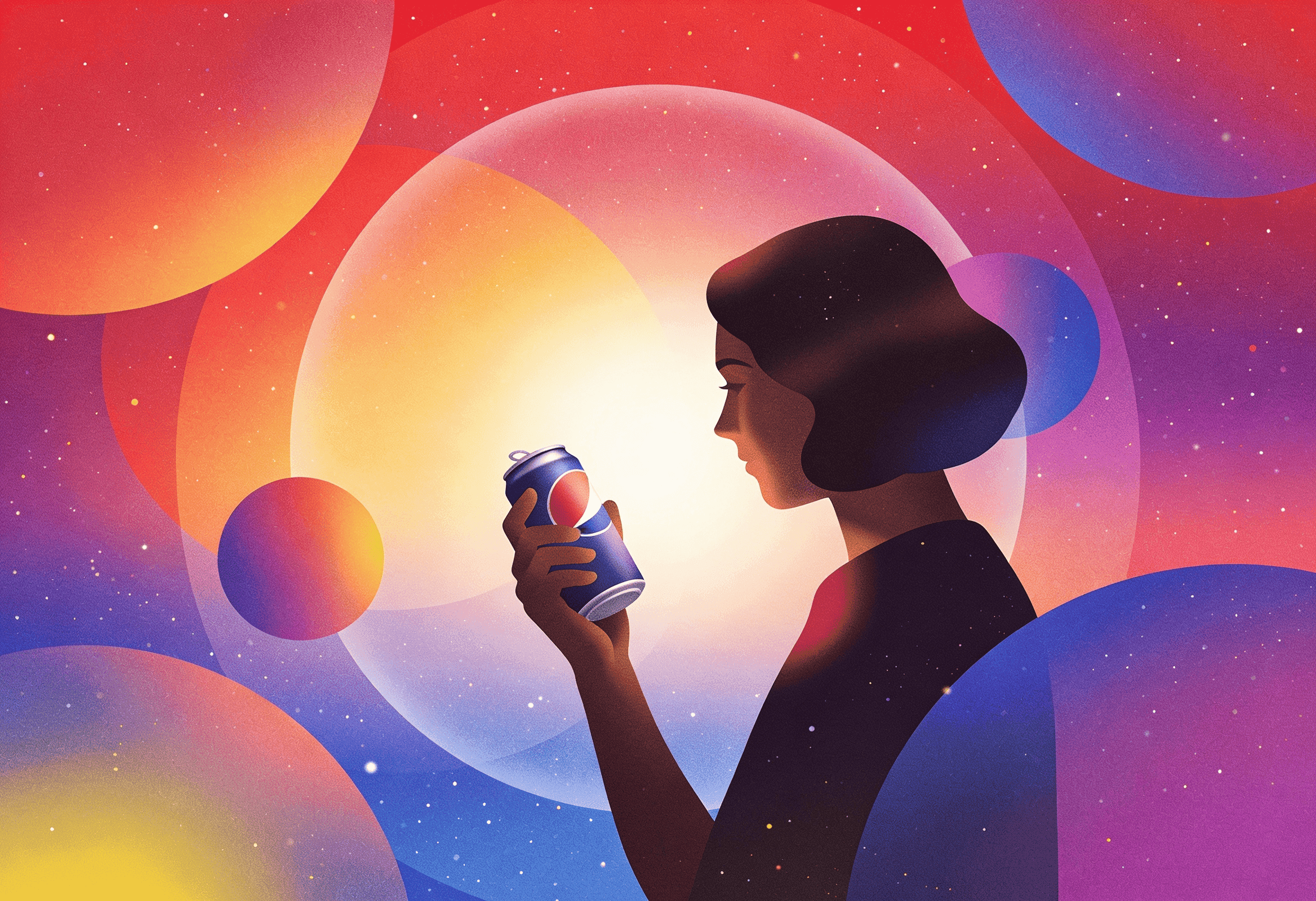
Did you know that the color of a product can significantly influence whether consumers decide to buy it? It's true! Color psychology is a powerful tool in marketing and branding, which can evoke emotions, create associations, and ultimately drive purchasing decisions. As businesses strive to stand out in today's competitive marketplace, understanding how different colors affect buying decisions has never been more crucial. In this guide, we’ll delve into the world of color psychology, explore various colors and their meanings, and provide actionable insights to help brands optimize their marketing strategies. Whether you're a small business owner or part of a design agency looking to elevate your brand identity, this comprehensive guide will equip you with the knowledge needed to harness the power of color effectively. So grab your favorite snack (perhaps something blue?), sit back, and let’s dive into the colorful world of consumer behavior!
Colors are more than just visual aesthetics; they play a crucial role in influencing consumer behavior. This guide explores how different colors impact buying decisions, providing actionable insights for brands to enhance their marketing strategies.

The Science Behind Color Psychology in Branding
Have you ever wondered why you feel an instant urge to grab a snack at a fast-food restaurant, or why you instinctively trust your bank's website? The answer might be simpler than you think — it's all in the colors.
Color psychology isn't just a design buzzword. It's a deeply rooted science that shapes the way we feel, think, and ultimately, spend our money. At Palettal Design Studio, we've built our entire practice around this science — helping brands across the USA turn color into a powerful business asset.
How We Actually "Feel" Colors
Color perception goes far beyond aesthetics. Our brains are wired to associate specific colors with emotions, and these associations are shaped by a mix of cultural conditioning and personal experience. Think about it — when you see a red clearance tag, something in your brain whispers "act fast." When you log into your banking app dressed in blue, you feel oddly reassured.
Here's a quick breakdown of what the most common colors silently communicate:
Red — Passion, urgency, excitement
Blue — Trust, calm, professionalism
Yellow — Optimism and warmth (though too much can tip into anxiety)
These aren't coincidences. Brands have been quietly using this science for decades — and at Palettal Design Studio, it's the foundation of every design decision we make for our clients.
A landmark study from the University of Loyola found that color alone can boost brand recognition by up to 80%. That's a staggering number when you consider how crowded today's market is. Coca-Cola didn't accidentally choose red, and Facebook didn't stumble into blue — these were deliberate, psychology-backed decisions that have paid off enormously. The same intentionality is what Palettal Design Studio brings to every logo, brand identity, and packaging project we take on.
The Colors That Actually Move People to Buy
Let's break down the heavy hitters in brand color psychology and why they work so well.
1. Red — The Color That Creates Urgency
Red is a powerhouse. It triggers strong emotional responses almost immediately — think excitement, passion, and even a hint of urgency. That's exactly why you'll see red plastered across flash sales, clearance signs, and fast-food chains alike.
McDonald's is a textbook example. Their signature red doesn't just look bold — it actively stimulates appetite and encourages quick decision-making. When you're hungry and in a hurry, that color does a lot of the heavy lifting.
At Palettal Design Studio, we work with food and retail brands to harness this exact energy — making sure red is used with precision rather than as an afterthought.
2. Blue — The Trust Builder
If your brand needs to say "you can count on us," blue is your best friend. It's the go-to color for industries where trust is non-negotiable — finance, healthcare, tech, and insurance.
American Express leans heavily into blue tones, and for good reason. When someone is handing over their financial information, they need to feel safe. Blue delivers that feeling almost subconsciously.
This is exactly the kind of strategic color thinking that the design team at Palettal Design Studio applies when working with service-based businesses and professional brands looking to establish credibility and long-term customer trust.
3. Green — The Color of Health and Intention
Green speaks to something primal in us — nature, growth, balance, and wellbeing. It's no surprise that eco-conscious and health-focused brands gravitate toward it.
Starbucks has made green synonymous with its identity, and it works on two levels simultaneously: it signals a commitment to sustainability while also appealing to customers who care about what they put in their bodies. That's a lot of brand storytelling packed into one color.
Palettal Design Studio has helped numerous wellness and sustainability-focused brands find their perfect shade of green — one that feels authentic to their mission rather than generic.
4. Yellow — Cheerful, But Handle With Care
Yellow is the extrovert of the color world. It's eye-catching, energetic, and genuinely uplifting — but use too much of it at high saturation and it can quickly become overwhelming or even anxiety-inducing.
IKEA has cracked the yellow code. Their logo uses a bright but balanced yellow that feels cheerful and approachable without being aggressive. It perfectly mirrors the brand's promise: affordable, feel-good design for everyday living.
Finding that sweet spot is a craft in itself — and it's something the team at Palettal Design Studio navigates carefully for every brand that walks through our doors.
5. Purple — Where Luxury Meets Creativity
Purple is fascinating because it shapeshifts depending on the shade. Lighter purples feel imaginative and artistic; deeper purples feel rich, sophisticated, and a little exclusive.
Hallmark has built its entire visual identity around purple — and it makes perfect sense for a brand that sells emotional connection. The color conveys both thoughtfulness and elegance, hitting exactly the right note for someone searching for a meaningful gift.
Whether you're in the luxury space or the creative industry, Palettal Design Studio knows how to dial purple up or down to match the exact tone your brand needs to strike.
Putting Color Psychology to Work for Your Brand
Understanding this science is one thing — applying it effectively is another. Here's how to actually make color psychology work in your favor, and how Palettal Design Studio supports brands at every step of the process.
1. Start with your audience, not your preferences. Your personal favorite color is irrelevant here. What matters is what resonates with the people you're trying to reach. Dig into market research and understand the color associations within your specific industry. At Palettal Design Studio, every project starts with a deep-dive discovery session — because great design is rooted in real audience insight.
2. Test before you commit. A/B testing different color variations in your ads and landing pages can reveal surprising insights. Sometimes the color you least expect outperforms everything else — and data will tell you that before you make a costly rebrand decision. Our team at Palettal Design Studio helps clients set up meaningful tests so that every design decision is backed by more than gut feeling.
3. Stay consistent across every touchpoint. A cohesive color palette across your website, social media, packaging, and printed materials builds recognition over time. Inconsistency confuses customers and dilutes your brand identity. Palettal Design Studio delivers comprehensive brand guidelines so your team always knows exactly how to show up — no matter the platform.
4. Think seasonally and contextually. Warm, earthy tones feel right at home in autumn campaigns. Cool blues and greens can breathe freshness into summer promotions. Aligning your palette with seasonal sentiment keeps your brand feeling relevant and emotionally attuned — something Palettal Design Studio factors into campaign design work throughout the year.
5. Don't be afraid to bring in the experts. Sometimes the best investment you can make is working with a branding professional who understands the nuances of color theory. That's exactly what Palettal Design Studio is here for — a team of experienced graphic designers and brand strategists who translate your vision into visuals that connect, convert, and last.
Why Brands Choose Palettal Design Studio
Palettal Design Studio is a full-service graphic design and branding agency based in the USA, specializing in helping businesses build powerful, color-driven brand identities. From custom logo design packages and brand identity systems to packaging design and complete rebranding solutions, we offer end-to-end creative services tailored to your market and your audience.
What sets Palettal Design Studio apart isn't just design skill — it's the strategic thinking behind every color choice, every font pairing, and every visual decision. We don't just make things look good. We make things work.
Whether you're a startup finding your visual voice or an established brand ready for a refresh, Palettal Design Studio has the expertise to elevate your identity and position you competitively in today's saturated market.
Final Thoughts
Color is one of the most powerful and underutilized tools in a brand's arsenal. It communicates before a single word is read, influences decisions before conscious thought kicks in, and builds loyalty over time in ways that are hard to quantify but impossible to ignore.
Taking a more intentional, psychology-backed approach to color isn't a luxury — it's a competitive advantage. And you don't have to figure it out alone.
Ready to build a brand identity that truly resonates? The team at Palettal Design Studio would love to be part of your story. Reach out today and let's start crafting a visual identity that's as strategic as it is stunning.
📩 Contact Palettal Design Studio through our website and take the first step toward a brand that doesn't just look great — but genuinely connects.
Drop your thoughts in the comments below — we'd love to hear how color has influenced your perception of a brand. Your next chapter starts with the right palette.

