
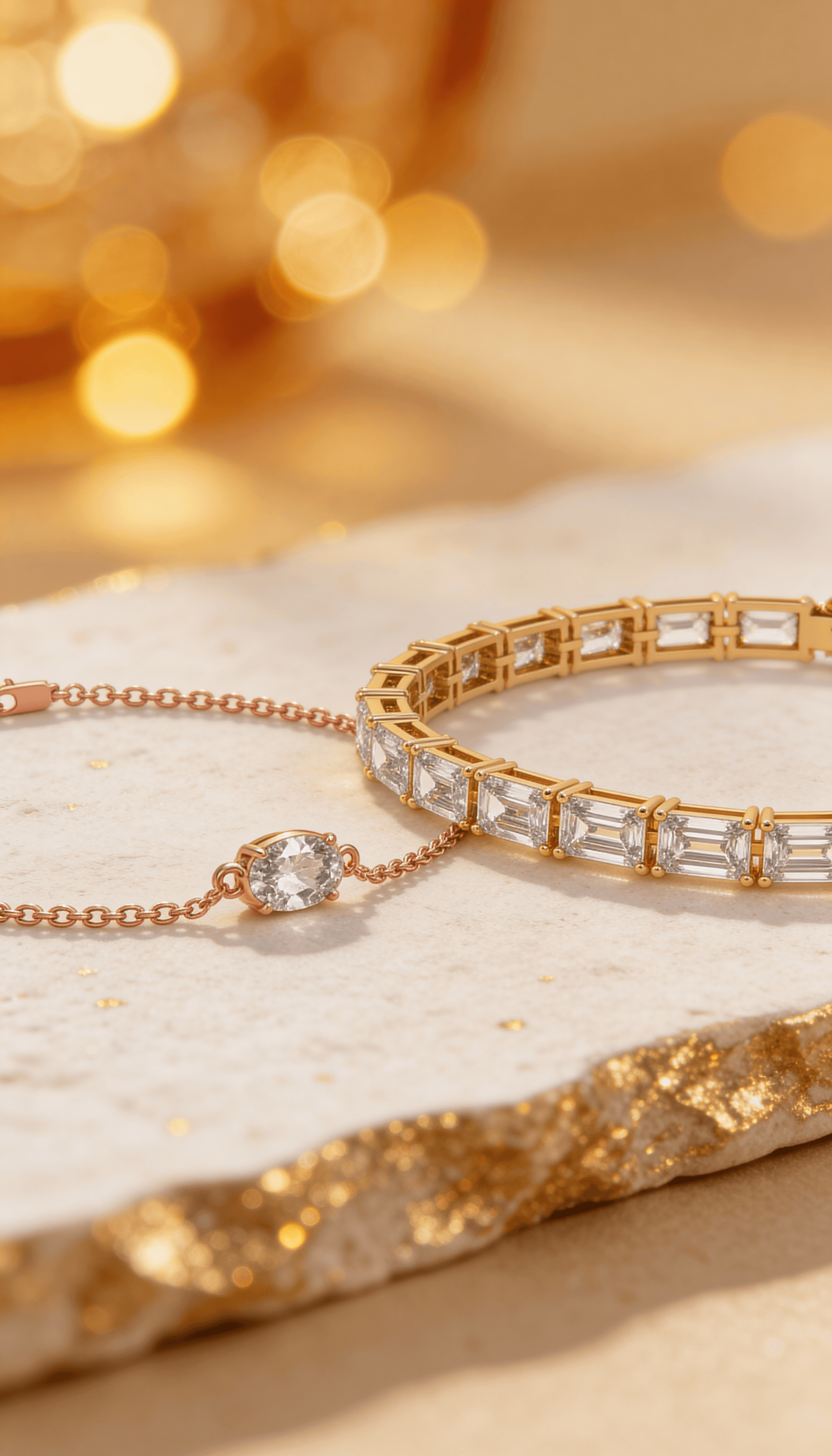
In the world of jewelry, customers don’t just buy a product—they buy a feeling. A sense of celebration, identity, love, and status. Yet, many jewelry brands focus only on the product and overlook the one thing that truly drives purchase decisions: perception. Luxury is not defined by price alone. It is defined by how a brand looks, feels, and communicates. From the elegance of typography to the finesse of packaging, from the mood of photography to the tone of storytelling—every detail contributes to how desirable a jewelry brand becomes. In an increasingly competitive and visually driven market, standing out is no longer about having better designs—it’s about presenting them better. This is where strategic design becomes the differentiator.
Discover how strategic branding, visual identity, and design psychology help jewelry brands create luxury perception, emotional desire, and customer trust that drives sales.

1. The Psychology Behind Jewelry Purchases
Jewelry is rarely a rational purchase. It is deeply emotional. Whether it’s a wedding ring, a gift, or a personal indulgence, the decision is driven by meaning, not logic.
Design plays a crucial role in amplifying this emotion. A well-crafted brand identity can elevate even a simple product into something aspirational.
2. Why “Looking Premium” Isn’t Enough
Many brands rely on predictable elements—black backgrounds, gold fonts, and glossy finishes. While these may look premium, they often lack uniqueness.
True luxury branding lies in distinctiveness + consistency + subtlety.
It’s not about copying luxury—it’s about defining your own version of it.
3. Visual Language of Luxury Jewelry Brands
Minimal, refined layouts
Elegant typography
Soft lighting and high-detail photography
Balanced negative space
Luxury design breathes. It doesn’t shout.
4. The Role of Storytelling
Every jewelry piece has a story—but does your brand tell it?
Customers connect more deeply when they understand:
The inspiration behind designs
The craftsmanship involved
The meaning attached
Storytelling transforms a product into an experience.
5. Packaging: The Silent Salesman
Before the product is even seen, packaging sets the expectation.
A premium unboxing experience:
Builds anticipation
Reinforces brand value
Creates shareable moments (especially on social media)
6. Social Media as a Luxury Showcase
For jewelry brands, Instagram is not just a platform—it’s a showroom.
Effective jewelry content focuses on:
Close-up textures
Real-life usage
Emotional storytelling
Consistent aesthetics
7. Consistency Builds Trust
Luxury brands are recognizable instantly. Why? Because they are consistent across every touchpoint.
From logo to website to packaging to social media—everything feels connected.
8. Design as a Business Investment
Good design is not an expense—it’s a multiplier.
It allows brands to:
Charge premium pricing
Build trust faster
Increase conversions

